Compare stainless steel strainers, diesel fuel filters, and 100 GPD RO membranes for industrial sourcing, distribution, and OEM projects.
Filter element sourcing is rarely about one specification alone. Buyers must consider the fluid, contaminant type, operating environment, dimensions, replacement cycle, and equipment compatibility. This sourcing overview examines three distinct solutions for liquid screening, diesel filtration, and tap-water purification.
Match the Filter to the Medium
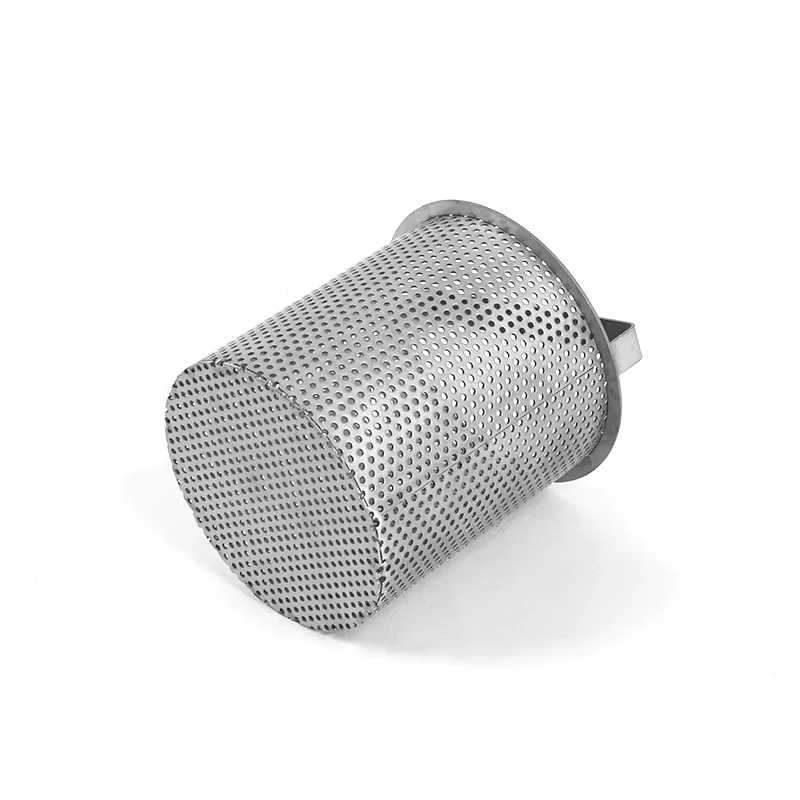
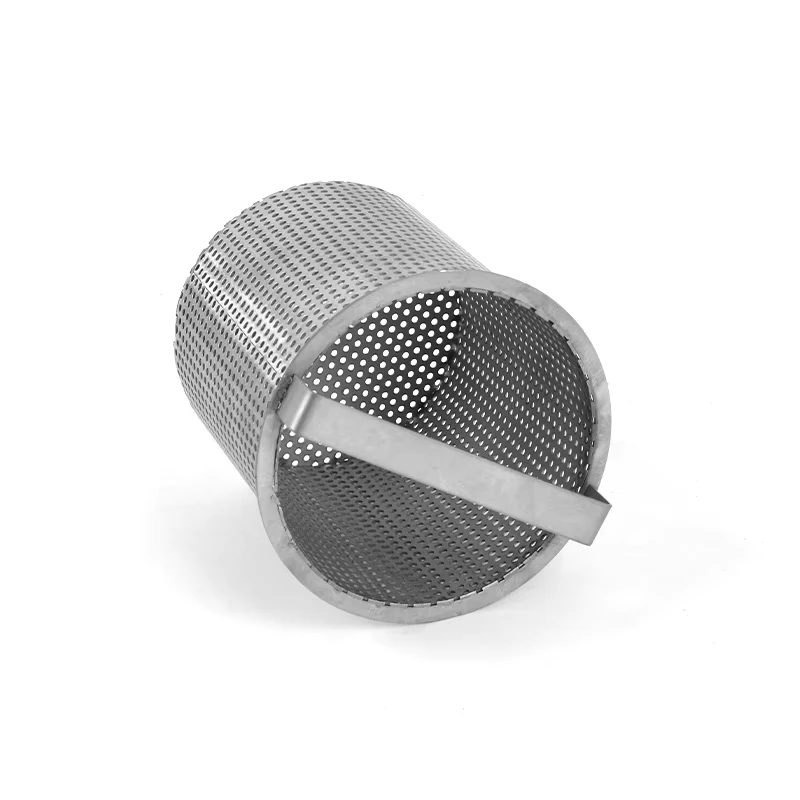
For liquid prefiltration, a stainless steel basket strainer provides a durable structure for capturing solid particles before they reach downstream equipment. Its perforated cylindrical construction is suitable for oil and other liquid filtration applications. Length, width, and thickness can be customized, making this format relevant to equipment manufacturers, system integrators, and replacement-part distributors.
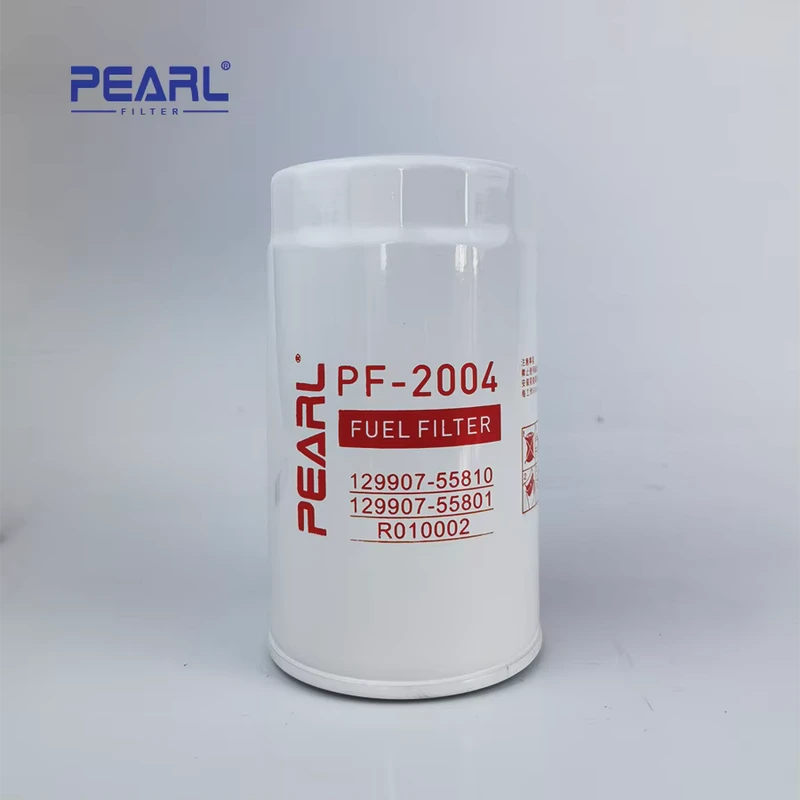
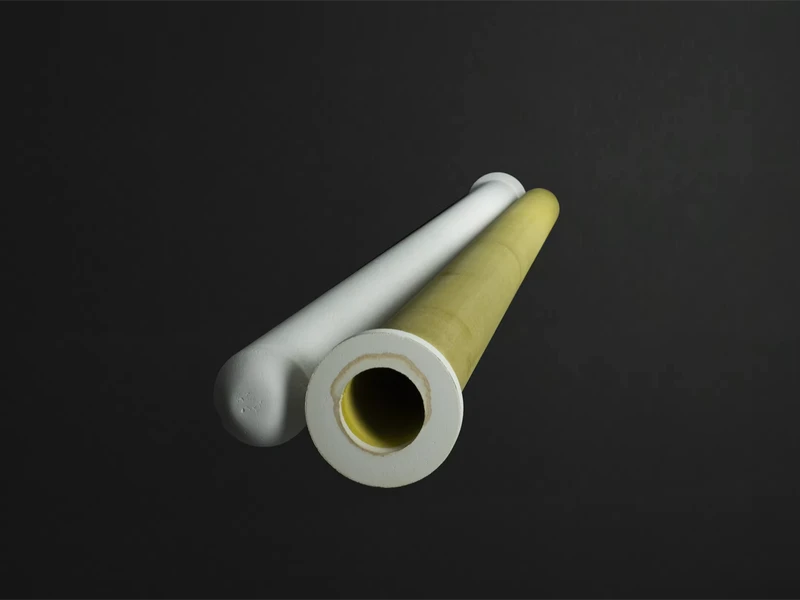
Diesel systems require a different approach. The diesel fuel filter combines cellulose-based filter media with a steel structure and offers a stated filtration accuracy of 10 microns. Its 95 × 95 × 150 mm dimensions and listed reference numbers help procurement teams evaluate replacement compatibility. Final selection should still confirm size, connection details, sealing requirements, and the equipment model.
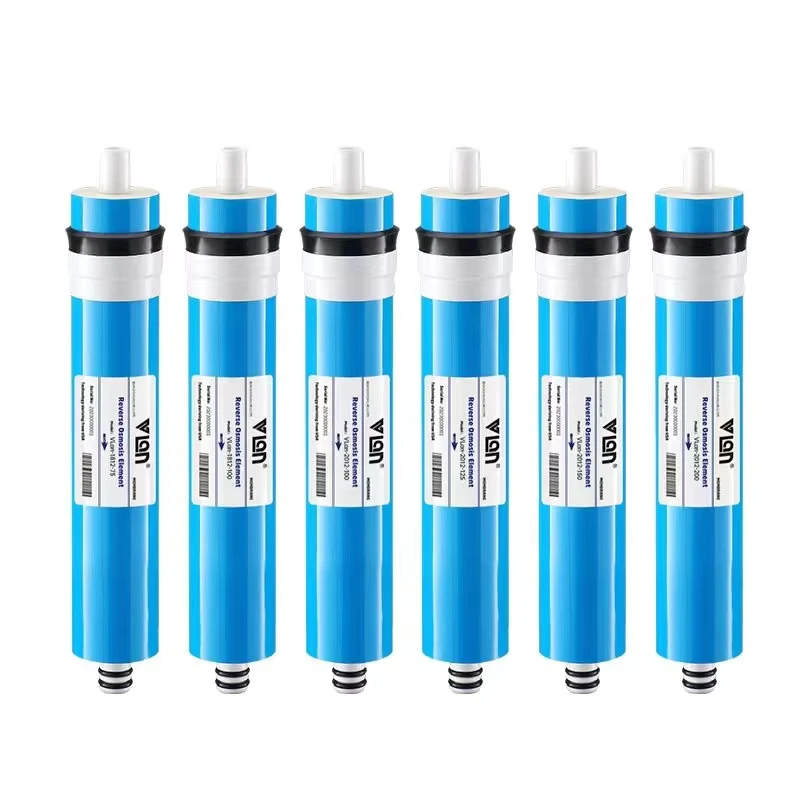
For residential or light commercial tap-water treatment, the RO replacement membrane delivers a rated capacity of 100 gallons per day. The supplied data lists stable salt rejection of 99%, minimum salt rejection of 97%, and testing at 75 PSI. Actual output can vary with feed-water pressure, temperature, and dissolved-solids concentration, so these conditions should be included in technical comparisons.
Prepare a More Accurate RFQ
Importers and distributors can review additional industrial filter elements before requesting a quotation. For faster evaluation, provide the application, target filtration level, dimensions, operating conditions, expected order quantity, packaging needs, and OEM or ODM requirements. A complete inquiry makes it easier to confirm specifications, customization options, and commercial terms for your market.