Compare ceramic candle filters, duplex basket strainers and stainless wedge wire screens for high-heat gas and industrial liquid systems.
Industrial filtration decisions begin with the process, not the filter shape. Gas temperature, liquid flow, particle size, corrosion risk and maintenance access all influence equipment selection. Buyers planning a new installation or replacement program can therefore benefit from comparing different industrial filter elements by operating duty.
Hot Gas and Pipeline Protection
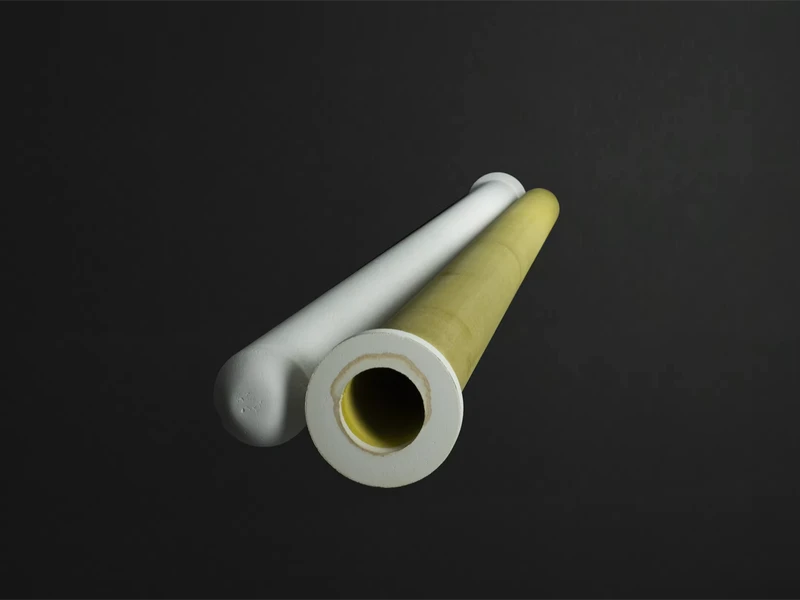
For high-temperature dust control, a ceramic filter tube provides a rigid alternative to conventional textile bags. Made from ceramic fibers, this candle-style element is intended for filtration, desulfurization and denitrification processes involving hot gas up to 800°C. Available lengths include 1, 1.5, 2, 2.5 and 3 meters, helping project teams match the element to their vessel design and required filtration area.
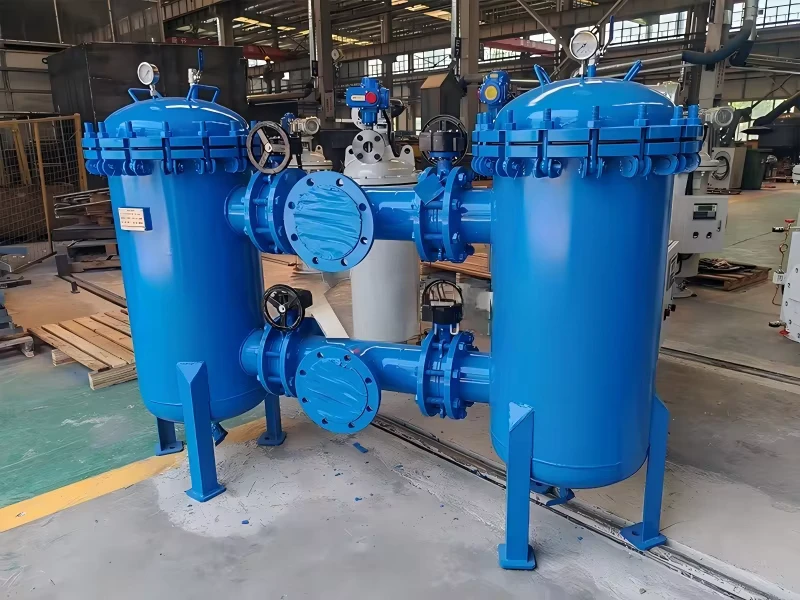
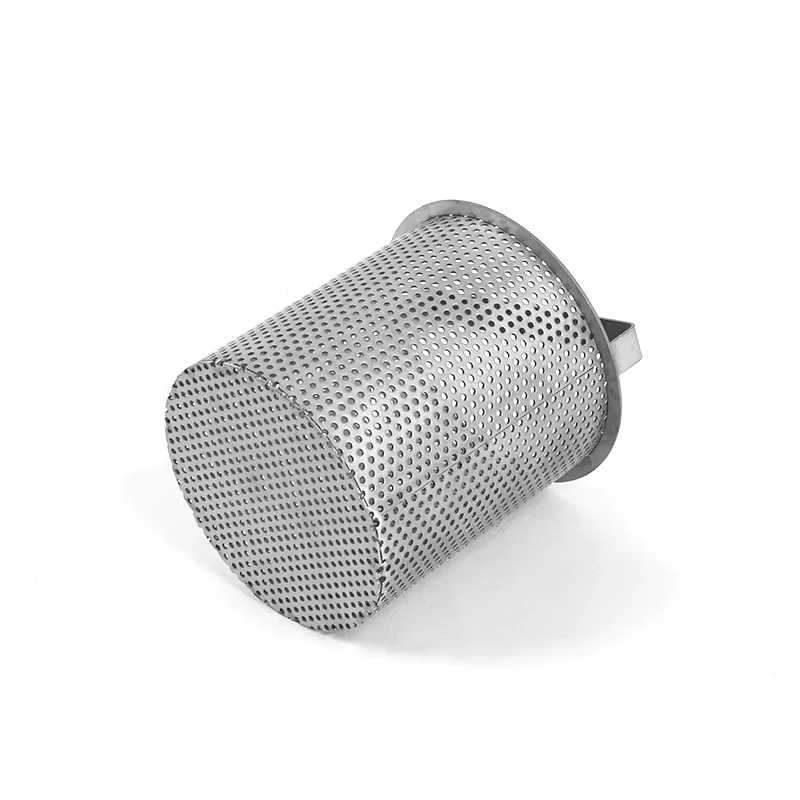
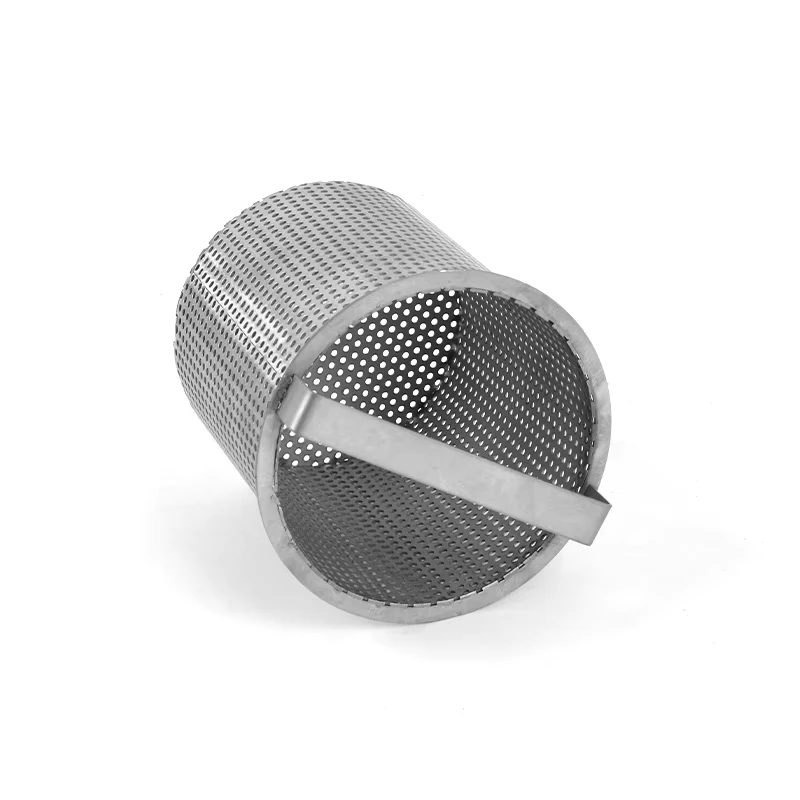
Water and process-liquid lines often have different priorities: high throughput, simple debris removal and practical maintenance. The duplex basket strainer is offered in horizontal or vertical configurations, with carbon steel or stainless steel construction and flanged connections. Its listed processing capacity reaches 50,000 liters per hour, while the duplex arrangement can make basket cleaning and servicing easier to plan.
Screening Liquids with a Rigid Metal Element
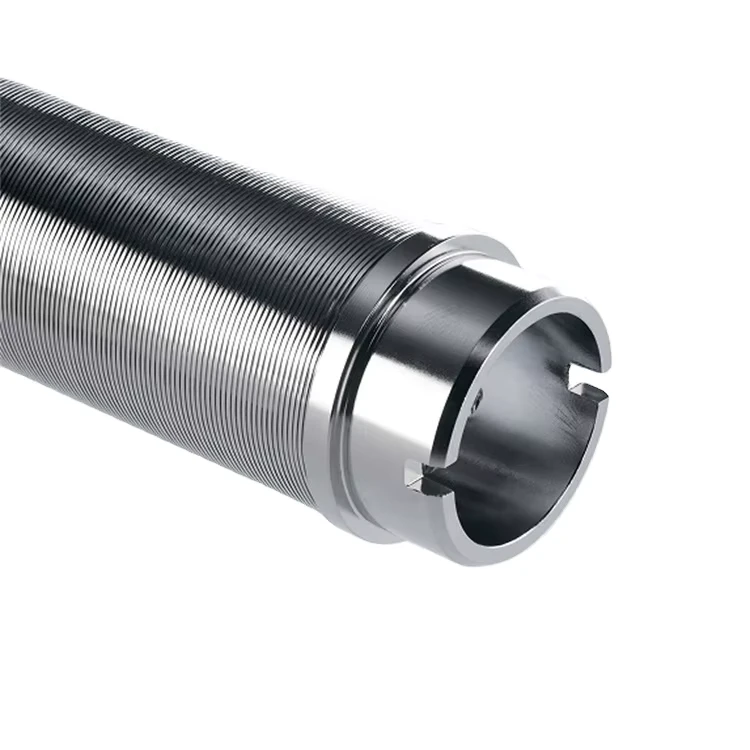
Where a durable screen surface and customized dimensions are required, the wedge wire tube offers another option. Manufactured from stainless steel, it uses a square-hole screening structure and can be customized in length and width. The stated filtration efficiency is 95%–98%, although buyers should confirm the slot size, particle characteristics and test conditions for their application.
For importers, distributors and project procurement teams, a useful quotation request should include media composition, temperature, pressure, flow rate, target particle size, connection details and required dimensions. Share these parameters to discuss suitable materials, configurations, inspection documents and order quantities for your filtration project.